
Recipes
Browse all Mediterranean bowl recipes — simple, balanced and meal-prep friendly.
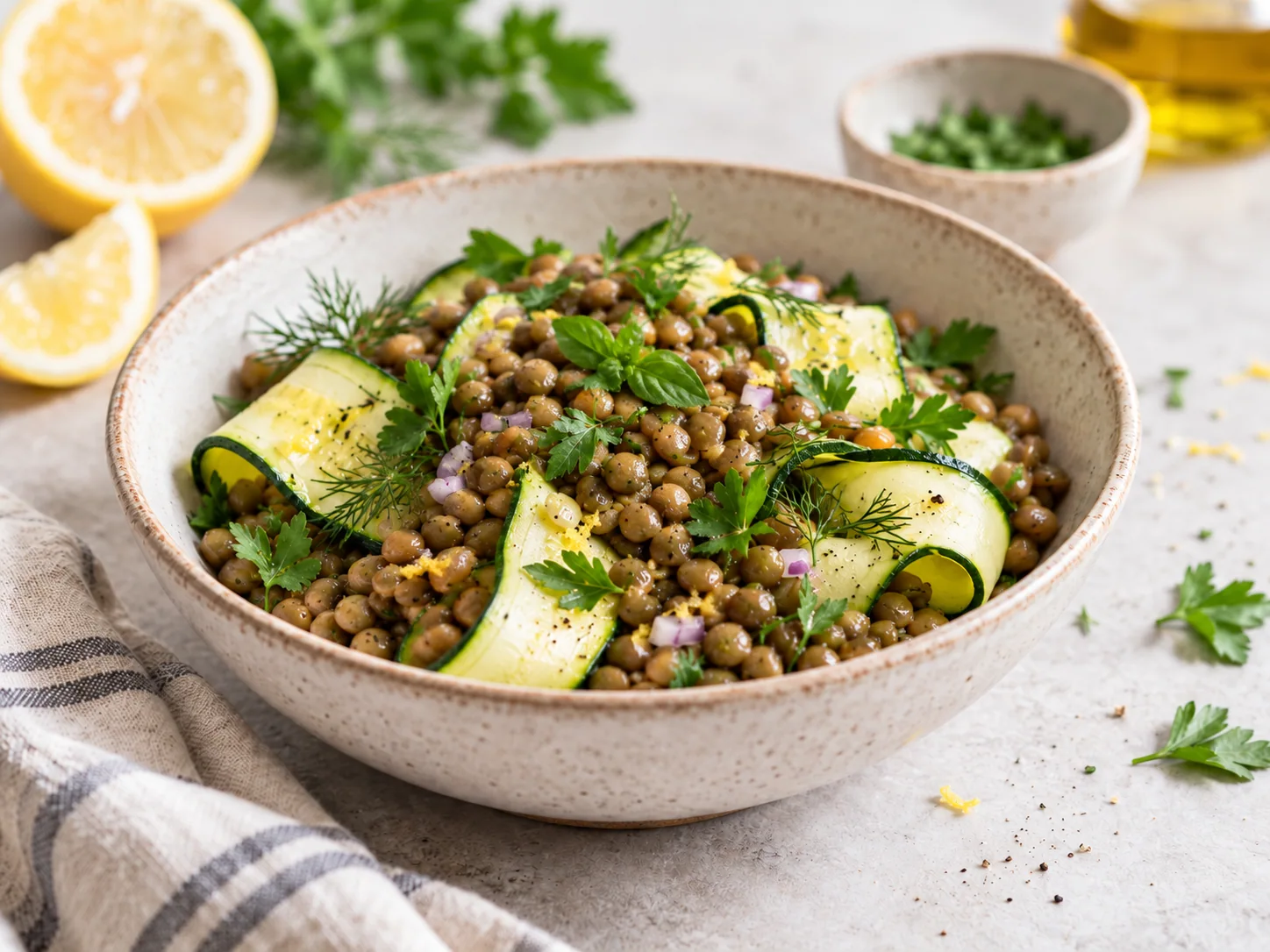
Why Lentils Turn Mushy in Meal Prep Bowls (And Which Ones Stay Firm)
Not all lentils hold their shape after cooking. Learn which varieties work best for meal prep bowls, how to avoid overcooking and what to do with a batch that is already too soft.

Savory Oatmeal Meal Prep That Reheats Creamy, Not Gluey
A make-ahead savory oatmeal bowl with browned mushrooms, spinach and optional eggs. Learn how to cook rolled oats, pack the toppings and reheat each portion without turning it into a thick paste.

Why Quinoa Tastes Bitter (Even After Rinsing) — And What to Do
Quinoa can taste bitter or soapy even after washing. Learn what causes it, how to rinse and cook it properly, and which problems you can fix after cooking.
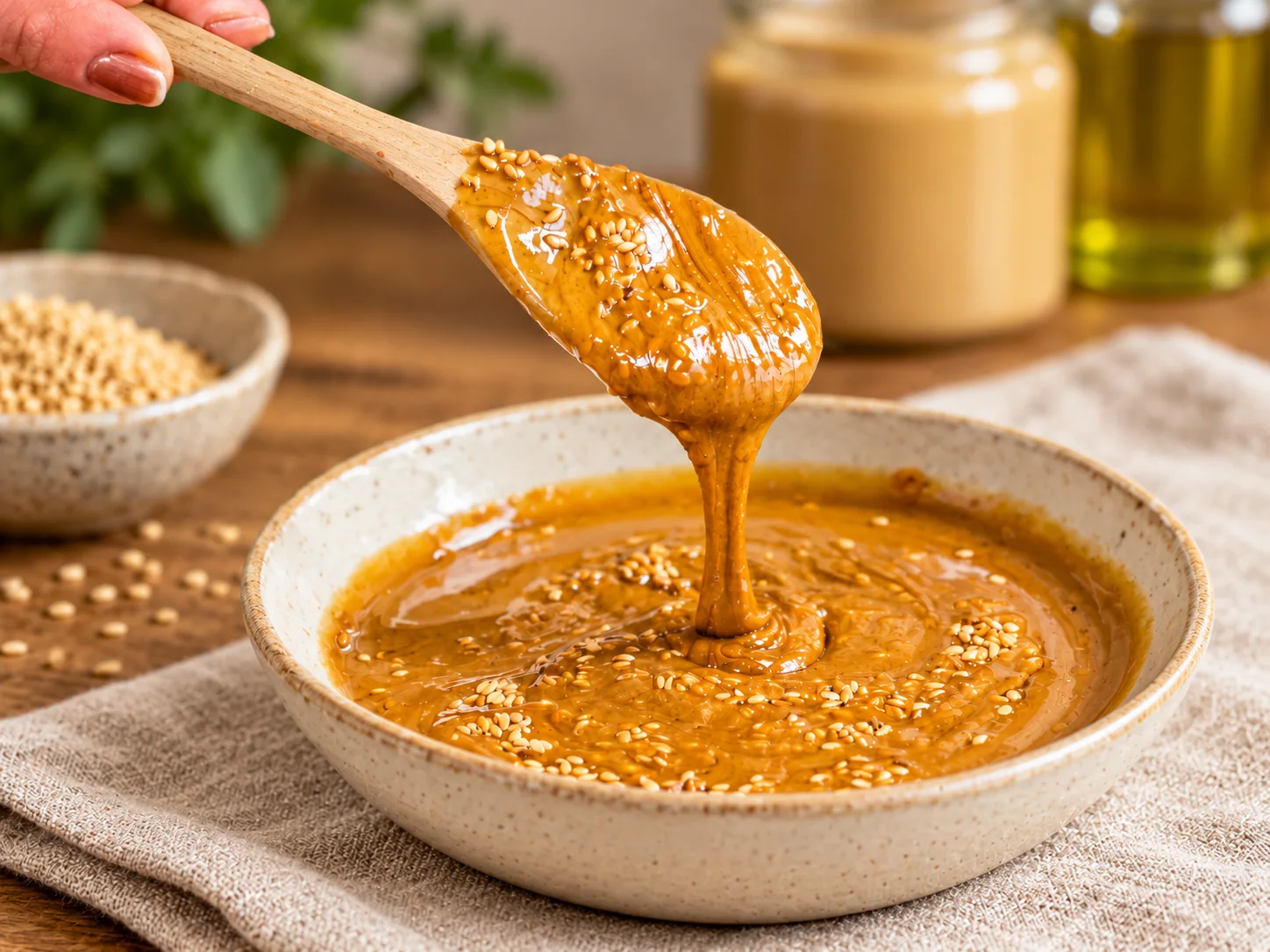
Why Tahini Sauce Turns Thick or Grainy (And How to Fix It)
Tahini can turn stiff and grainy just when you try to thin it. Learn why this happens, how to loosen the sauce with water, and when the problem starts with the tahini itself.
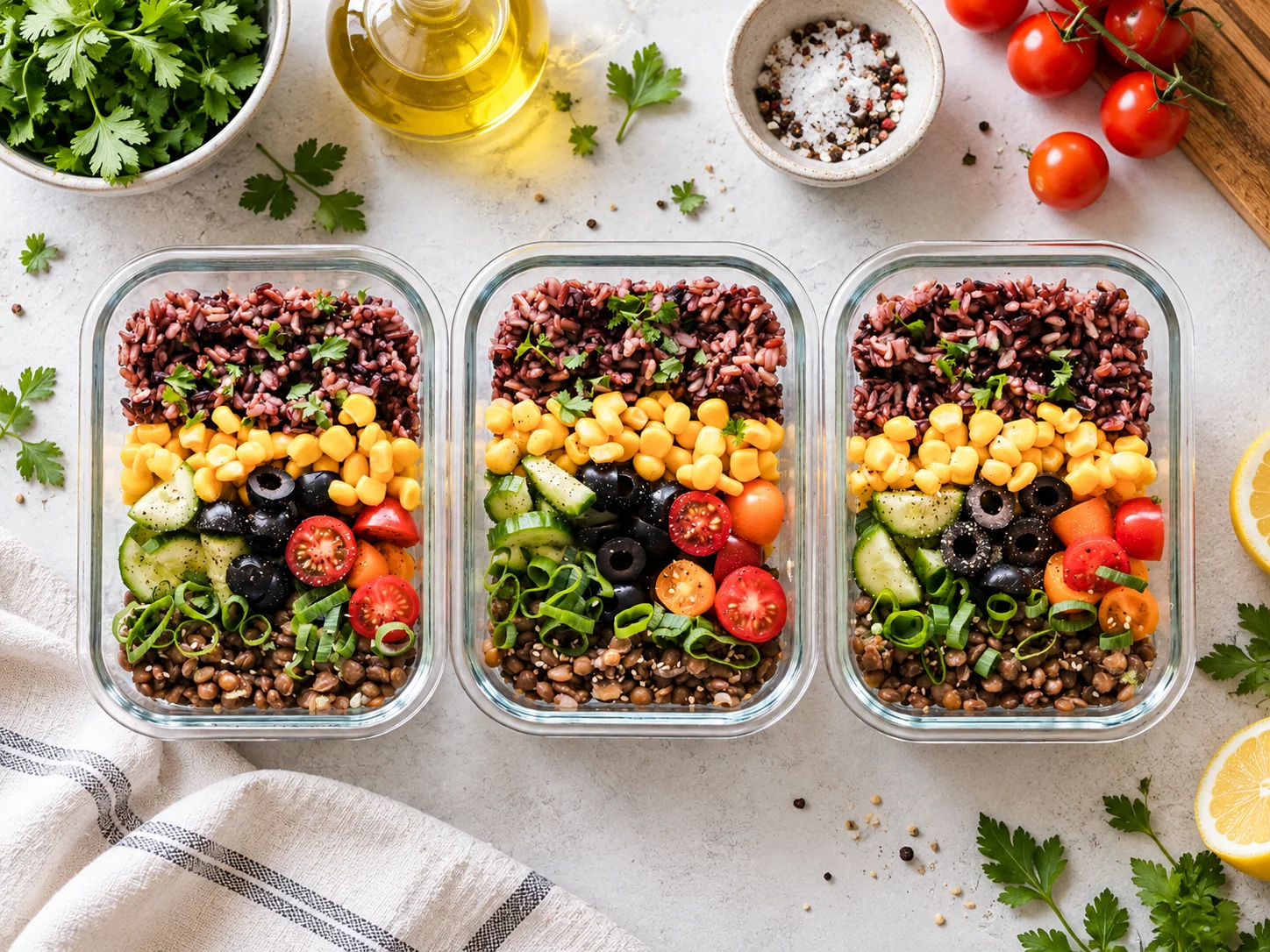
Glass Meal Prep Containers: Freezer to Microwave
Can you microwave a glass meal prep container straight from the freezer? Not always. This practical guide explains thermal shock, freezer-safe labels, manufacturer instructions, lids, and safer ways to reheat frozen meals.

Meal Prep for a Vegetarian and Meat Eater: One Base, Two Proteins
A practical Mediterranean meal prep for two different diets: one shared base, one set of vegetables and one sauce, with chickpeas for the vegetarian bowl and chicken for the meat-eater bowl.

Mediterranean Dense Bean Salad for Meal Prep
A Mediterranean dense bean salad built for meal prep with chickpeas, cannellini beans, crisp vegetables, olives, herbs and a bright lemon-vinegar dressing.
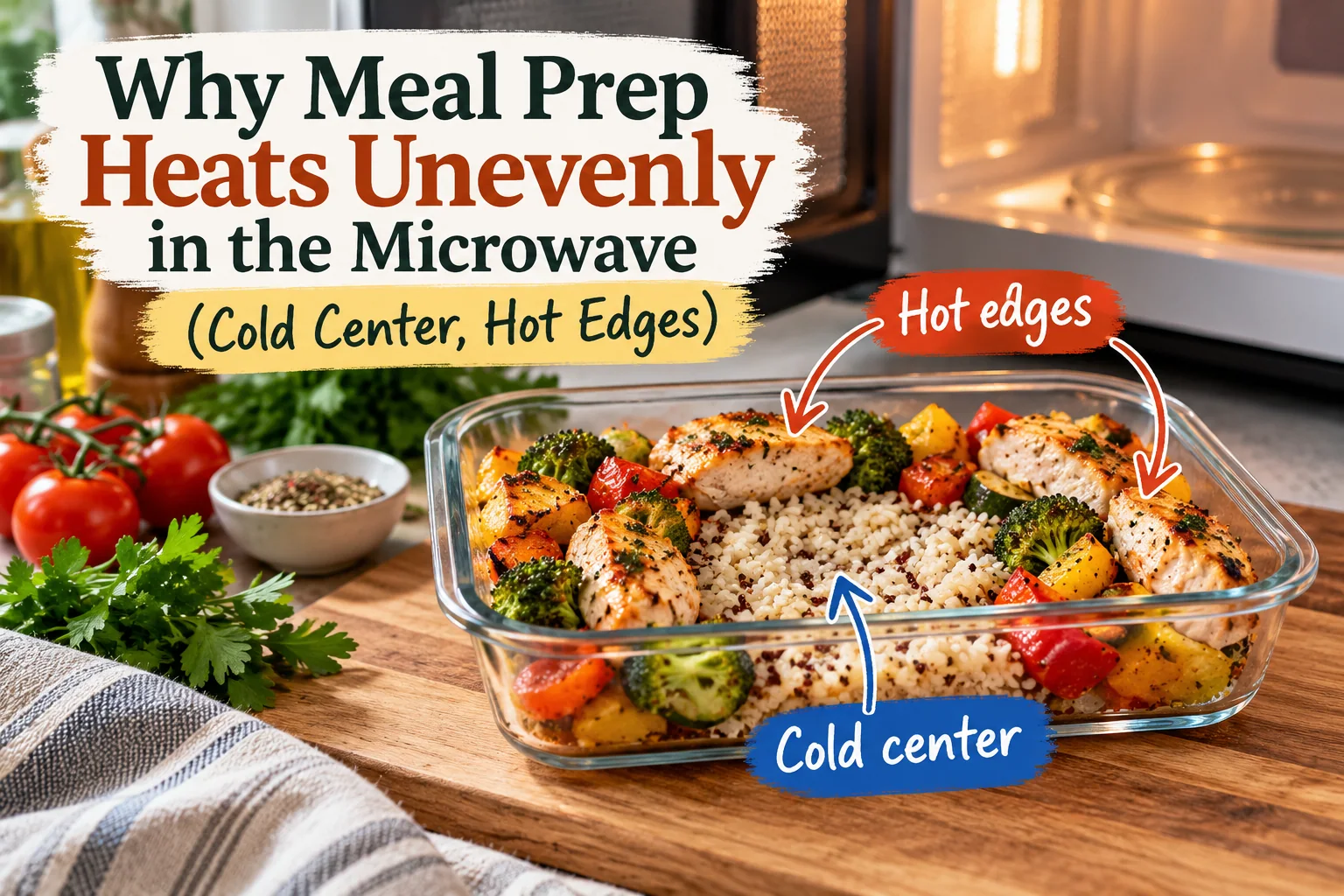
Why Meal Prep Heats Unevenly in the Microwave (Cold Center, Hot Edges)
If your meal prep comes out hot around the edges but cold in the center, the problem is often the way the food is packed and reheated—not simply the microwave.
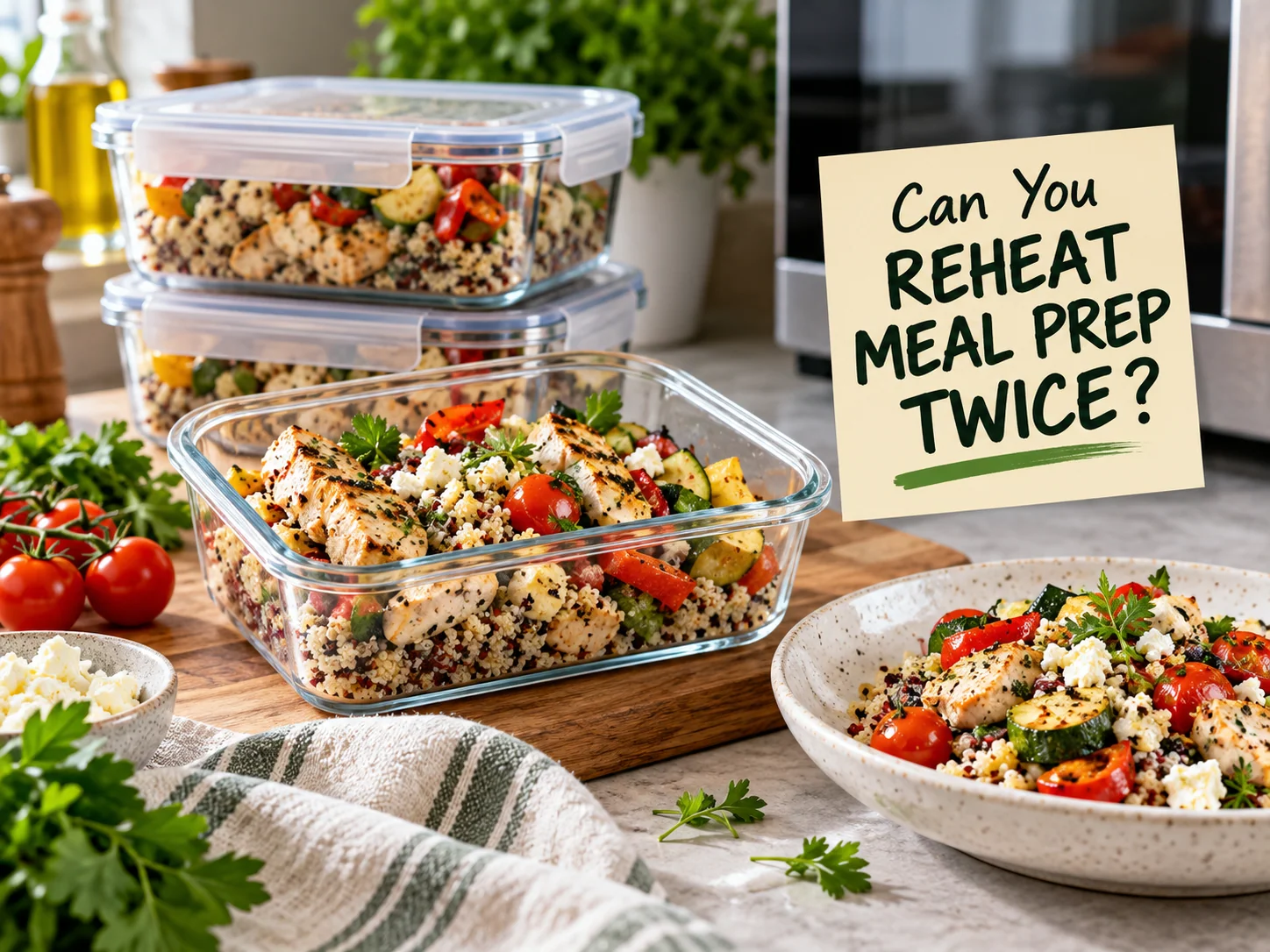
Can You Reheat Meal Prep Twice? What Actually Matters
Reheating meal prep twice is not a routine worth planning around. Portion cold food first, heat only what you need, and avoid repeated warm-cool cycles.
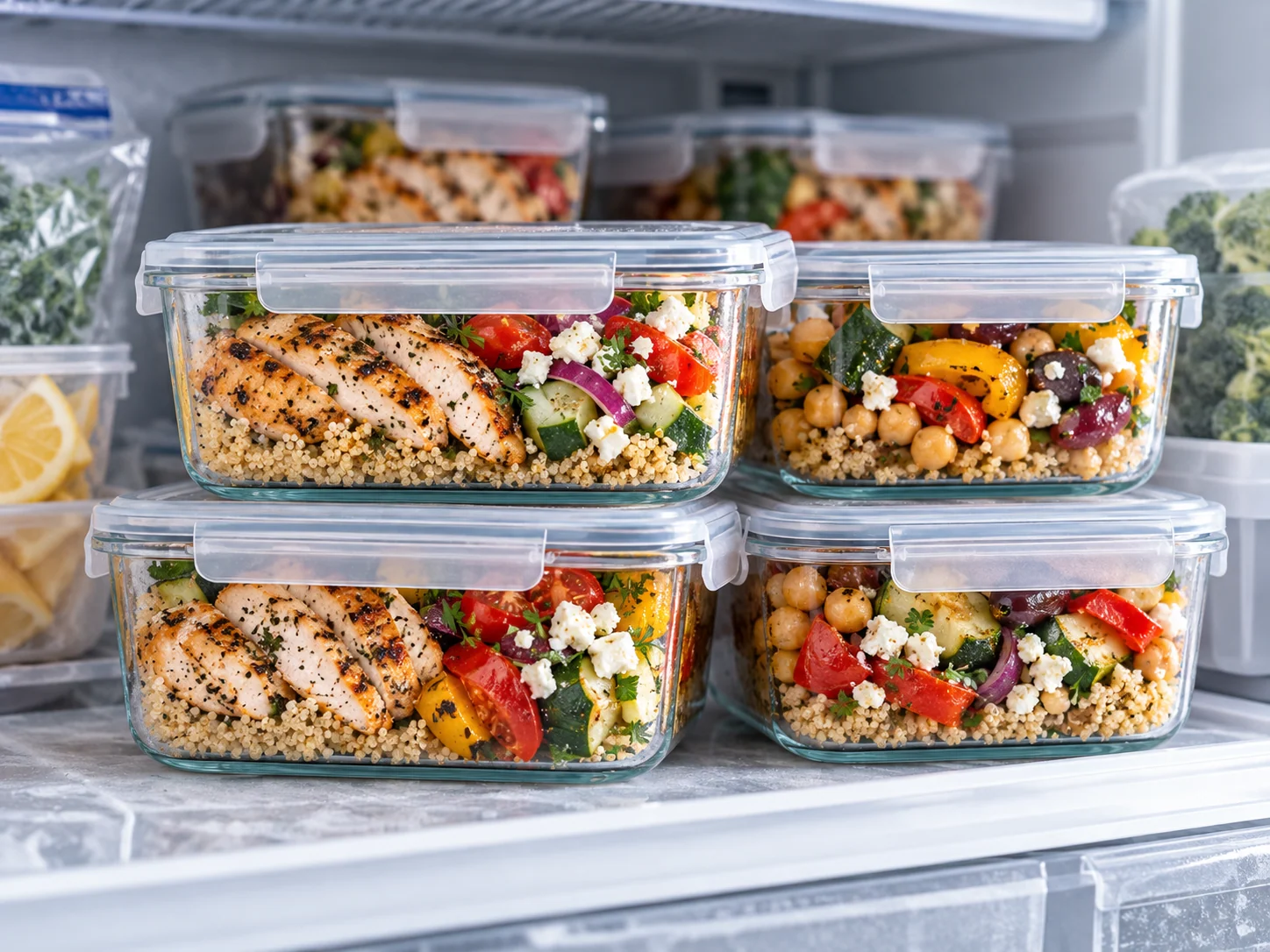
How to Prevent Freezer Burn in Meal Prep Bowls
Freezer burn can leave meal prep dry, frosty and disappointing. Learn how container size, air exposure, sealing and freezer temperature affect frozen bowls.